China Calls for Inclusive Global Governance of Outer Space
By. Fatima Javed
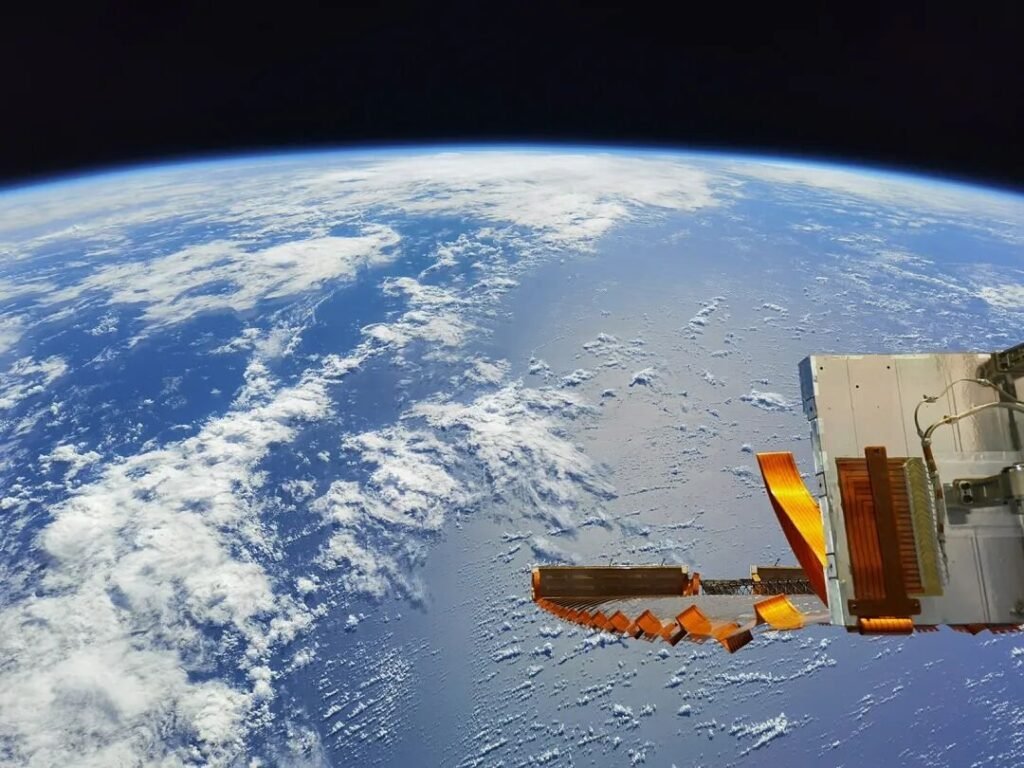
ISLAMABAD, October 29 (Daily Global South)- China has called for a more inclusive and cooperative framework for governing outer space, urging the international community to ensure that global rules keep pace with technological advances and the growing number of countries and commercial entities involved in space activities.
On October 23, China issued a Position Paper on Strengthening Outer Space Governance at the 2026 Global Governance Forum (Xiong’an), outlining 10 priorities aimed at promoting the peaceful, sustainable and equitable use of outer space.
The document emphasises openness and shared benefits, respect for the rights of all states, adherence to international law, technological innovation, common security, conflict prevention, reducing misunderstandings, regulating commercial space activities, international cooperation and strengthening global governance.
The initiative comes as outer space becomes increasingly important to telecommunications, navigation, weather forecasting, disaster management, scientific research and national security. At the same time, the rapid expansion of satellite networks, commercial launches and other space activities has raised questions about orbital congestion, space debris, responsible behaviour and the fair distribution of benefits.
Calls for Inclusive Participation
A central theme of China’s position paper is that all countries should have opportunities to participate in space governance and benefit from advances in space technology.
For developing countries, access to space-based services can support economic development, agricultural planning, environmental monitoring, disaster preparedness and digital connectivity. However, differences in technological capabilities, infrastructure and financial resources continue to shape countries’ ability to participate in the space sector.
The emphasis on broad participation therefore highlights the importance of international cooperation, technology development and capacity-building to help countries with emerging space programmes contribute to the sector’s future.
International Law and Common Security
The position paper also stresses respect for international law and the need to prevent armed conflict in outer space.
Existing international frameworks, particularly the 1967 Outer Space Treaty, establish fundamental principles governing space activities, including the peaceful exploration and use of outer space and the responsibility of states for their national space activities.
However, advances in space technology and the expansion of commercial operations have created new governance challenges. These include managing the growing number of objects in orbit, preventing harmful interference with satellites and establishing greater transparency around space activities.
The paper’s focus on reducing misunderstandings and misperceptions also highlights the importance of communication and confidence-building among countries operating in an increasingly complex space environment.
Commercial Space Activities Under Scrutiny
The growing role of private companies is another important consideration in global space governance.
Commercial operators are expanding satellite-based internet services, Earth observation, launch capabilities and other space-related activities. While these developments create opportunities for innovation and economic growth, they also increase the need for effective oversight and responsible practices.
Regulating commercial space activities is therefore becoming an important part of discussions about orbital sustainability, liability, transparency and the long-term availability of space for future generations.
International cooperation will be essential to address these issues, as activities conducted by one country or commercial operator can affect the operating environment for others.
What It Means for Developing Countries
For countries such as Pakistan, international cooperation in space science and technology can create opportunities to strengthen satellite communications, agricultural monitoring, disaster management and environmental research.
Pakistan’s participation in international space initiatives and scientific partnerships could also help expand technical expertise and improve access to space-based applications.
An inclusive approach to space governance would be particularly relevant to developing countries seeking to expand their capabilities while contributing to international efforts to ensure the safe and sustainable use of outer space.
The emphasis on shared benefits also raises a broader question: how can international governance arrangements ensure that advances in space technology contribute to development across regions rather than widening existing technological disparities?
The Road Ahead
China’s position paper presents a 10-point framework for strengthening international cooperation and improving global governance of outer space.
Its practical impact will depend on how these priorities are taken forward through international dialogue, existing legal institutions and cooperation among governments, scientific organisations and commercial operators.
As space activities continue to expand, establishing effective rules and promoting responsible conduct will remain important to ensuring that outer space remains accessible, secure and sustainable.
The challenge for the international community will be to reconcile growing commercial and strategic interests with the shared responsibility of preserving outer space as an environment that benefits all countries.
About the Author: Fatima Javed is the Founder and Editor-in-Chief of Daily Global South. She is an Islamabad-based journalist covering international affairs, regional cooperation, politics, and economic development, with a particular interest in the Global South.
For correspondence: fatima@dailyglobalsouth.com