How electric mobility can help reduce Pakistan’s fuel consumption
By Fatima Javed
Electric bikes weaving through traffic, buses running on battery power and a growing range of electric cars are becoming increasingly visible on Pakistan’s roads, signaling a gradual shift in how the country moves. In October 2024, petrol cost Rs 247.03 per liter and diesel Rs 251.29 per liter. By October 17, 2026, prices had risen to Rs 386.30 and Rs 396.96 per liter, respectively. Rising fuel costs and global oil-price fluctuations are encouraging consumers and businesses to explore alternatives to petrol- and diesel-powered transport.
For Pakistan, where reducing petroleum imports remains an important economic priority, electric mobility offers a potential way to cut fuel consumption while supporting cleaner transportation. Realizing this potential, however, will require affordable vehicles, reliable charging infrastructure, competitive electricity costs, local manufacturing and technical skills.
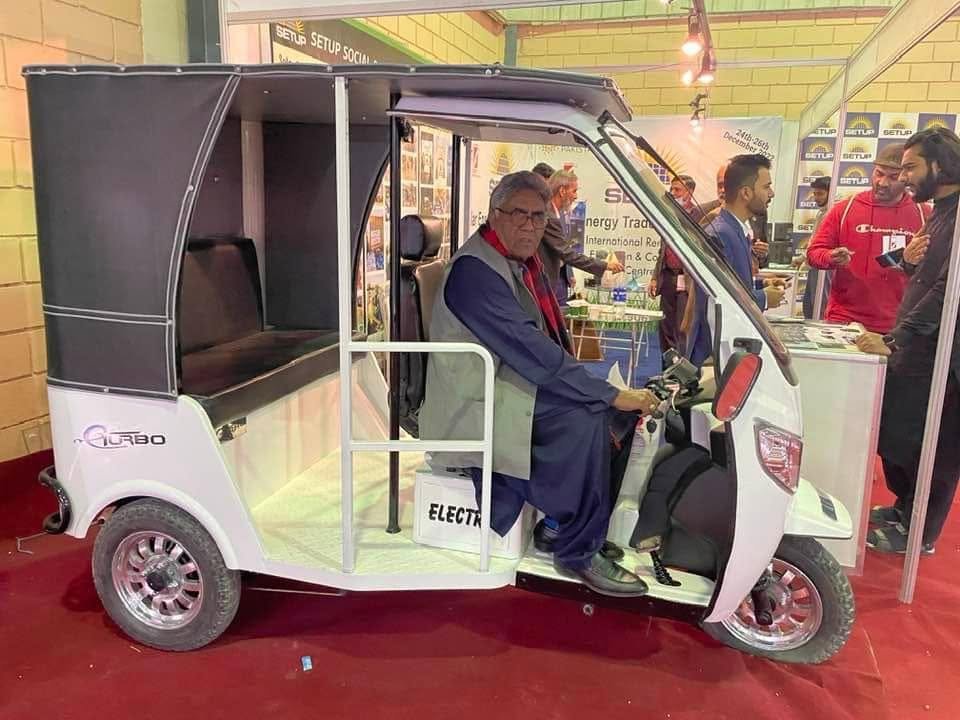
China’s experience offers useful lessons in this regard. The widespread adoption of electric two-wheelers, alongside investment in electric cars and supporting infrastructure, has reshaped everyday mobility. Experts believe Pakistan could adapt aspects of this model, particularly in the two- and three-wheeler segments, which play a central role in daily commuting and livelihoods.
Riaz Ahmed, National Sales Manager at RIL Logistics, told Daily Global South that China’s widespread use of electric bicycles, scooters and three-wheelers demonstrates how smaller electric vehicles can transform everyday transport. Manufacturers such as Yadea, AIMA and NIU have helped develop the market and its supply chains, offering lessons for Pakistan, where motorcycles and rickshaws remain essential for commuters and commercial operators.
“Rising petrol prices are encouraging Pakistani consumers to explore lower-cost alternatives. However, wider adoption will depend on affordable vehicles, local assembly, competitive financing, reliable battery warranties and accessible charging or swapping facilities,” Ahmed said. He added that replacing petrol-powered motorcycles and rickshaws with electric models could reduce fuel consumption and operating costs.
Beyond vehicle affordability, convenient access to charging will also determine whether electric two-wheelers become a practical option for a wider range of users. Battery swapping offers one possible solution for riders who lack home-charging facilities or cannot afford lengthy charging breaks.
Waqas Khaleeq, CEO of Smart Solar, said: “Not everyone has charging facilities at home, and waiting for an e-bike battery to charge can take hours.” He pointed to China’s battery-swapping systems, which allow riders to exchange depleted batteries for charged ones within minutes. Similar arrangements could help Pakistani commuters and delivery workers reduce downtime, particularly those who depend on their vehicles for daily earnings.
While electric two-wheelers offer an accessible entry point into electric mobility, the passenger-vehicle market represents another area of potential growth. Chinese automakers are increasing competition in Pakistan’s automotive sector, where Japanese manufacturers have historically held a strong position.
Talking to Daily Global South, Faisal Arshad, general manager aftersales at MG Motors Pakistan, said Pakistan offered significant growth opportunities for Chinese EV manufacturers, given rising interest in electric mobility and the potential expansion of the overall automotive market from approximately 300,000 to 500,000 vehicles annually by 2030.
He said Chinese brands could secure a substantial share of future sales. “In my view, they could potentially capture around 30% of the market,” he said, adding that this would depend on pricing, product quality, customer confidence and the development of local manufacturing.
“The entry of major Chinese brands is giving consumers more choices and encouraging competition on pricing. Local assembly and manufacturing could also create jobs, develop technical expertise and strengthen industrial cooperation between Pakistan and China,” Arshad said.
However, expanding the passenger EV market will depend partly on whether charging infrastructure keeps pace with vehicle adoption. Limited access to reliable charging remains a barrier, particularly for drivers travelling between cities and those without private parking or home-charging facilities.
A report published in August 2026, citing a government document, identified more than 200 charging facilities nationwide: 47 registered and 175 unregistered with the relevant authority. These figures do not confirm that every facility is operational or publicly accessible.
Expanding the network to 3,000 stations by 2030 will require investment in charging equipment, grid connections, suitable locations and maintenance. Electricity tariffs and power reliability will also influence operating costs and the financial case for consumers.
Ahmed said limited availability and geographical coverage of public charging infrastructure remained among the major challenges facing electric mobility in Pakistan, particularly outside major urban centers and along intercity highways.
“For electric motorcycles and rickshaws, home or workplace charging may be practical for many users. Apartment residents, commercial drivers and people without dedicated parking, however, may face difficulties. Battery-swapping networks could provide another option for delivery riders and commercial operators who cannot afford lengthy charging breaks,” he said.
Alongside infrastructure investment, expanding local manufacturing and technical capacity will be important to making electric mobility more affordable and sustainable. The government has said that more than 90% of parts used in two- and three-wheelers are already manufactured locally, providing a foundation for expanding domestic EV production.
Building on this industrial base through further localization, vocational training and stronger after-sales services could reduce reliance on imported components, create jobs and strengthen domestic supply chains. Together with affordable vehicles, accessible charging and battery-swapping options, these measures could help Pakistan reduce fuel consumption while developing a stronger electric-mobility industry and expanding industrial cooperation with China
About the Author: Fatima Javed is the Founder and Editor-in-Chief of Daily Global South. She is an Islamabad-based journalist covering international affairs, regional cooperation, politics, and economic development, with a particular interest in the Global South.
For correspondence: fatima@dailyglobalsouth.com