Beyond emergency measures: What Pakistan can learn from Beijing’s clean-air drive
By. Fatima Javed
In the winter of 2013, Beijing’s skyline often disappeared behind a thick blanket of smog. In one of the world’s most populous capitals, air pollution had become part of everyday life, with AQI readings frequently exceeding 300 during severe pollution episodes. Breathing clean air was a growing concern for residents, as homes and schools increasingly relied on air purifiers and face masks became a familiar sight on the streets.
Having experienced these conditions firsthand, I have witnessed how dramatically Beijing’s approach to air pollution has changed over the years. At the time, people regularly adjusted their daily routines according to pollution levels. Air purifiers were almost a necessity in homes and schools, while wearing face masks outdoors was common. Concerns about children’s health and prolonged exposure to polluted air were part of everyday conversations.
Today, Beijing’s improved air quality offers an important example of what sustained environmental action can achieve. The transformation did not happen overnight. It followed years of government intervention, stricter environmental regulations and investment in cleaner energy, industrial technologies and urban transport.
China’s experience offers important lessons for Pakistan, where air pollution has become a serious public health challenge, particularly in Lahore and other major urban centres. Every winter, smog disrupts daily life, affects schools and businesses, and exposes millions to harmful pollution levels. Beijing’s transformation demonstrates that even a densely populated megacity can improve its air quality through sustained policies and effective implementation.
According to the United Nations Environment Programme (UNEP), Beijing reduced its average PM2.5 concentration by approximately 35 percent between 2013 and 2017, while the wider Beijing-Tianjin-Hebei region recorded a 25 percent reduction. During the same period, Beijing cut annual emissions of sulphur dioxide by 83 percent, nitrogen oxides by 43 percent, particulate matter by 55 percent and volatile organic compounds by 42 percent.
These improvements followed measures targeting coal consumption, industrial emissions, vehicle pollution and construction dust. China tightened industrial and vehicle emission standards, phased out outdated facilities, strengthened environmental monitoring and replaced coal-fired heating systems with cleaner energy. It also expanded public transport, promoted electric vehicles and increased investment in renewable energy, supported by stronger enforcement and accountability.
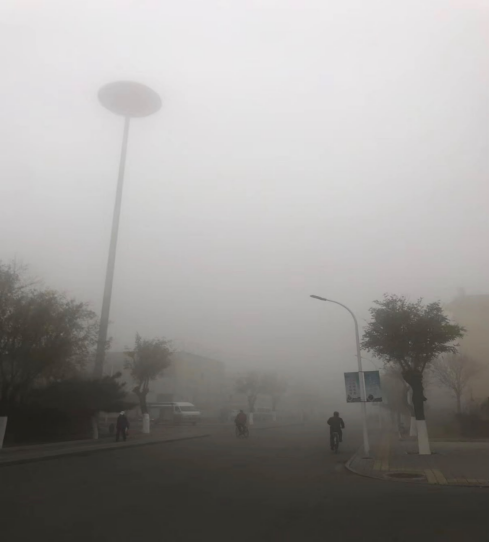
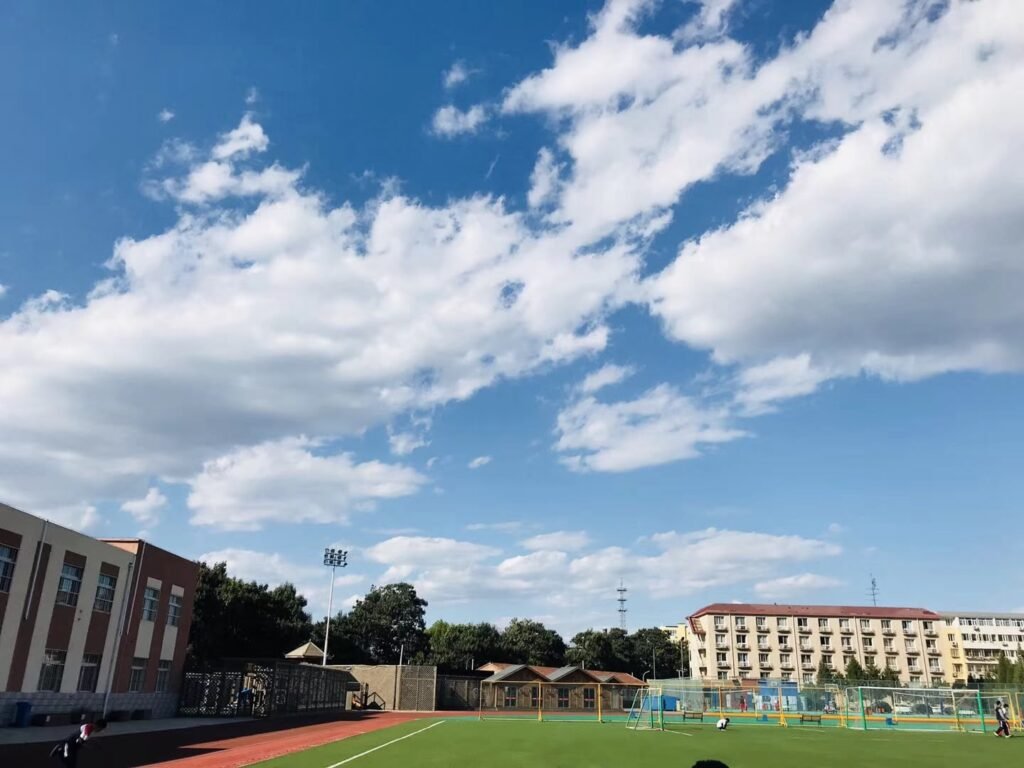
November 14, 2018, Beijing Tongzhou District- Photo by Gwadar Pro
Importantly, the clean-air campaign extended beyond Beijing. Recognising that pollution from neighbouring industrial cities also affected the capital, China adopted a regional approach covering Beijing, Tianjin, Hebei and surrounding areas. Similar programmes were introduced in the Yangtze River Delta and Fenwei Plain to address industrial emissions, coal consumption, vehicle pollution and other major sources.
In 2018, China’s State Council introduced the Three-Year Action Plan for Winning the Blue Sky Defense Battle, setting pollution-reduction targets and prioritising these regions. The plan called for changes to industrial, energy, transport and land-use structures, alongside stronger environmental monitoring and enforcement.
A major intervention involved replacing coal-fired household heating with cleaner alternatives, particularly in northern China, where coal use contributed to winter pollution. According to China’s Foreign Ministry, approximately 25 million rural households in Beijing, Tianjin, Hebei, surrounding areas and the Fenwei Plain had shifted from coal to natural gas or electricity by the end of 2020.
China also upgraded coal-fired power plants and steel facilities to reduce emissions. By 2020, power plants with a combined capacity of around 950 million kilowatts had completed or were undergoing ultra-low-emission upgrades. Steel production capacity of approximately 620 million tonnes had also completed or entered similar transformations.
Regional coordination was central to these efforts. Authorities in neighbouring provinces strengthened pollution monitoring, shared information and coordinated responses to severe pollution episodes, recognising that air pollution crosses administrative boundaries and requires joint action.
The improvements extended beyond Beijing. According to the University of Chicago’s Air Quality Life Index, China’s average particulate pollution declined by 42.3 percent between 2013 and 2021. Sustaining this reduction could add an estimated 2.2 years to the average Chinese citizen’s life expectancy. Beijing recorded a 56.2 percent decline over the same period, equivalent to an estimated 4.2 additional years of life expectancy if the improvement is maintained.
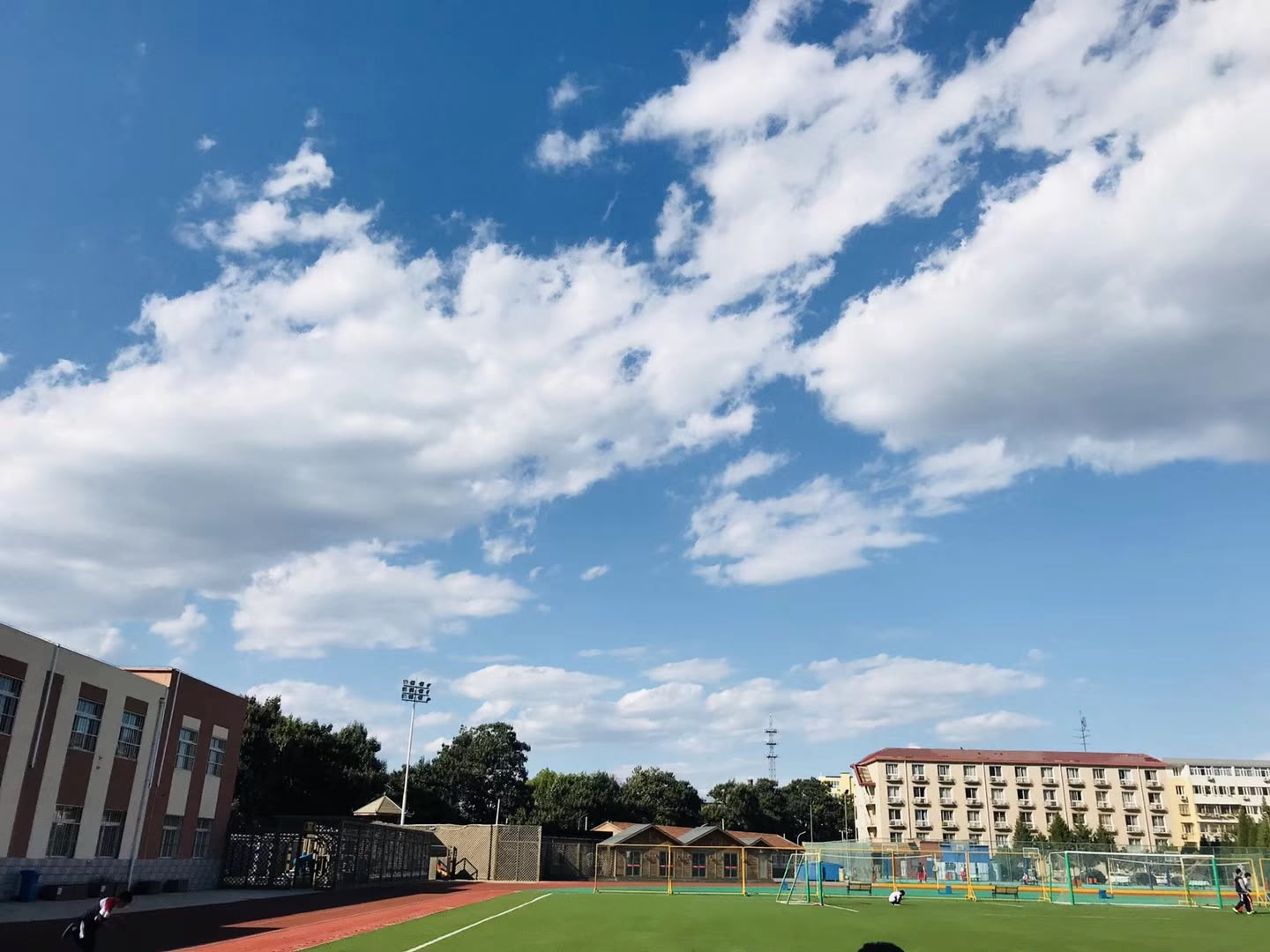
30th September 2018 , Photo by Gwadar Pro
Pakistan faces a different set of circumstances, but several lessons from China’s experience are relevant. In Punjab, particularly Lahore, seasonal smog is linked to a combination of vehicle emissions, industrial pollution, brick kilns, construction dust, waste burning and agricultural residue burning. Weather conditions, including low wind speeds and temperature inversions, can trap pollutants close to the ground and intensify the problem.
Addressing this challenge requires more than temporary restrictions during the smog season. School closures, limits on outdoor activities and short-term anti-smog campaigns may reduce exposure for limited periods, but they cannot resolve the sources of pollution.
Pakistan needs a sustained strategy combining stricter enforcement with practical support for industries, farmers and transport operators. Industrial units and brick kilns must meet emission standards, while outdated vehicles and poorly maintained public transport require effective inspections and cleaner alternatives.
Agricultural residue burning also needs a long-term solution. Farmers should have affordable access to machinery, crop-residue management technologies and incentives to adopt alternatives to burning. Similarly, expanding reliable public transport, improving fuel quality and promoting cleaner vehicles can help reduce urban emissions. Reliable, publicly accessible air-quality monitoring is equally important for tracking pollution levels and assessing the effectiveness of interventions.
Perhaps the most relevant lesson for Pakistan is the need for regional cooperation. Lahore cannot tackle smog through measures limited to the provincial capital. Industrial emissions, agricultural burning and vehicle pollution across Punjab require coordinated action involving neighbouring cities and districts. A regional clean-air programme could bring together relevant departments and local authorities to monitor pollution, enforce emission standards and coordinate responses to severe smog.
China’s experience also highlights the importance of political commitment and institutional accountability. Environmental targets need measurable timelines, regular monitoring and consistent enforcement, with clearly defined responsibilities across government departments rather than seasonal announcements.
Pakistan cannot simply replicate China’s policies, given differences in economic conditions, energy requirements, industrial structure and administrative capacity. However, China’s broader approach of combining regulation, technology, investment and accountability offers a useful model.
Having experienced Beijing’s heavily polluted days, I have seen that cleaner air is possible when environmental protection becomes a sustained policy priority rather than a temporary response to public pressure. The transformation of China’s capital followed years of difficult decisions and consistent implementation. For Pakistan, the challenge is to stop treating smog as a seasonal emergency and recognise clean air as a public health priority and an essential part of urban development.
The article was originally published on Gwadar Pro