
Gwadar’s moment: Hormuz disruption puts Pakistan’s deep-sea port on the map
Container volumes at Gwadar surged in 2026 as shippers looked for alternatives to the Strait of Hormuz. Can the port turn a crisis-driven spike into lasting trade?

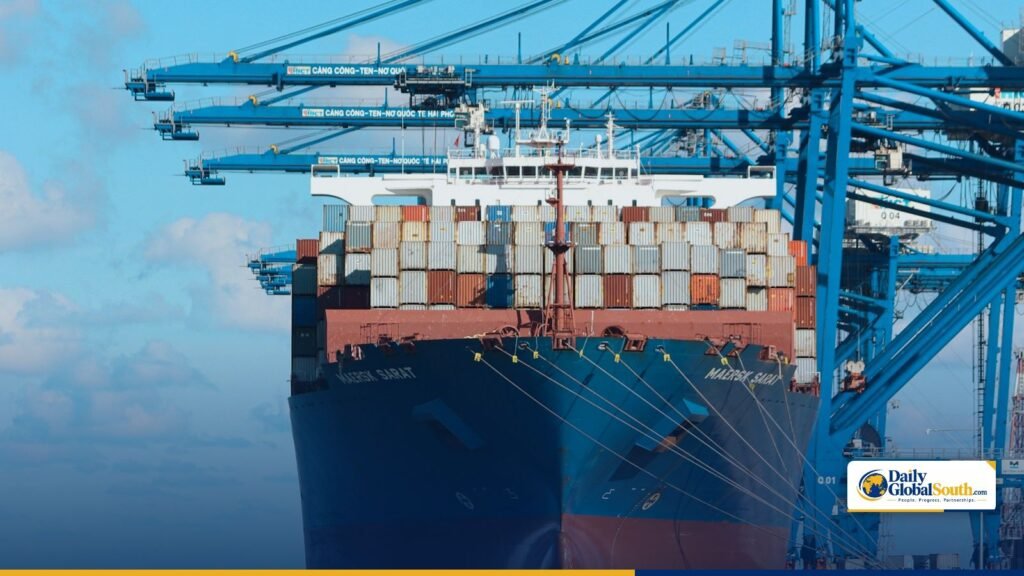
For years, Gwadar was described as a port of the future. In 2026, disruption in the Strait of Hormuz has given it an unexpected present. According to figures cited by Asia Times, the port handled about 11,000 standard containers in April 2026 alone — more than the roughly 8,300 it handled in the whole of 2025.
On April 16, two cargo vessels docked carrying 368.7 tonnes of machinery and 5,000 tonnes of fertiliser, and earlier that month a single ship brought in more than 14,000 tonnes of transshipment cargo — a sharp contrast with years when the port saw fewer than 20 ships annually.
Geography is the selling point
The Strait of Hormuz carries nearly a fifth of the world’s oil and LNG. When disruption there pushed freight operators to seek alternatives, Gwadar — about 400 km away on the Arabian Sea near the Gulf of Oman, with one of the region’s deepest natural harbours — came into focus.
Infrastructure catching up
- The New Gwadar International Airport, built with a $230 million Chinese grant, opened in January 2025 and can handle Airbus A380 aircraft.
- Road upgrades including the Eastbay Expressway and M-8 motorway have cut Quetta-to-Gwadar travel from more than 24 hours to about eight.
- A $390 million railway linking Balochistan’s mineral belt to the national network is slated to begin construction in 2026.
- The Chinese-funded Pak-China Friendship Hospital reportedly treated about 43,000 patients free of charge in 2025, and a desalination plant supplies eight million gallons of drinking water to residents.
From spike to strategy
Crisis-driven traffic can disappear as quickly as it arrives. To make Gwadar’s moment last, Pakistan will need reliable hinterland connections, competitive port charges, security for investors and workers, and above all, tangible benefits for the people of Balochistan. Large projects in the province, including the Reko Diq copper and gold mine — which secured $3.5 billion in financing in late 2025 and expects first exports around 2029 — could provide the steady cargo base the port needs.
Sources: Asia Times
